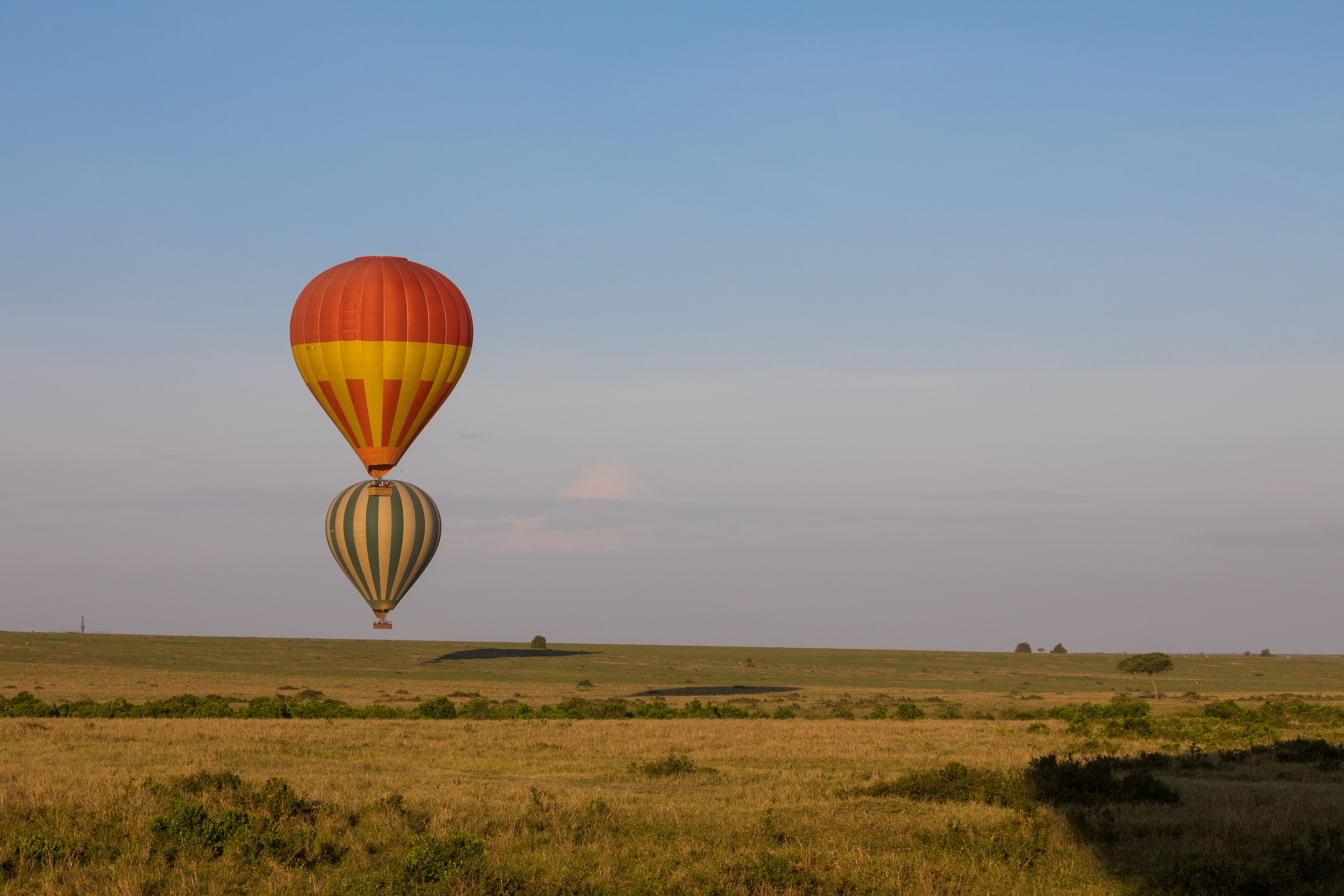
Kenya is one of those countries that is easy to picture and surprisingly hard to reduce to a single trip. There is the Kenya of the Maasai Mara: open savannah, lions, elephants and early-morning game drives. There is Nairobi, a huge, fast-moving capital with a strong food scene, nightlife and one of the stranger travel experiences on the continent: seeing wildlife with a major city skyline in the distance.
Then there is the coast. Diani is about long beaches and warm Indian Ocean water. Watamu combines beach time with marine life and nearby historic sites, while Lamu is slower, older and much more atmospheric, with Swahili architecture, narrow lanes and a completely different rhythm from safari country. For a first visit, I would not try to stitch all of Kenya into one itinerary. It is too big, and the distances become tiring fast. The better approach is to choose one strong safari experience, give Nairobi some time rather than treating it purely as an airport, and add the coast if you have enough days.
For most first-time visitors, 10 to 14 days is a very good amount of time.
Kenya at a glance
Best for: safari, wildlife, beaches, food, culture and trips that combine very different experiences
Ideal first trip: 10–14 days
Main international gateway: Nairobi
Currency: Kenyan shilling (KES)
Languages: Swahili and English are widely used
Best-known safari areas: Maasai Mara, Amboseli, Tsavo and Samburu
Popular coast destinations: Diani, Watamu, Mombasa and Lamu
Meskel pick for a first trip: Nairobi + Maasai Mara + Diani
Why visit Kenya?
Safari is the obvious answer, but it is not the whole answer. Kenya is one of the easiest countries in Africa to build a varied first trip around because you can do Nairobi, a proper safari and several days on the Indian Ocean without the itinerary feeling ridiculous. That range is Kenya’s real strength. You could spend one part of the trip watching elephants in Amboseli and another eating seafood beside the coast, or spend two nights in Nairobi, fly into the Maasai Mara, then finish with four days doing very little in Diani.
Kenya also has a deep tourism infrastructure. Safari lodges, domestic flights, guides, camps and beach hotels are well established, so the country is relatively straightforward for visitors who want a big trip without organising every detail from scratch.
Where should you go on your first trip?
For a first visit, I would think about a handful of places before anything else.
Nairobi
Do not make the mistake of seeing Nairobi as somewhere you simply land before safari. Kenya’s capital deserves at least a day or two. Nairobi National Park sits right beside the city and offers the surreal possibility of seeing giraffes, rhinos and other wildlife with skyscrapers in the background. Beyond that, Nairobi has some of Kenya’s strongest restaurants, cafés, nightlife and contemporary cultural spaces.
I’d give Nairobi two nights. One feels rushed, while three only really makes sense if you actively want time in the city.
Maasai Mara
If the image in your head when you think of Kenya is endless grassland full of wildlife, the Maasai Mara is probably what you are imagining. It is Kenya’s most famous safari destination and part of the wider Serengeti–Mara ecosystem. Big cats are a major draw, alongside elephants, giraffes, zebra, wildebeest and a huge amount of other wildlife.
During parts of the year, the Mara also receives large numbers of migrating wildebeest from the Serengeti ecosystem, but I would not plan a trip around migration season alone. The Maasai Mara is still an excellent wildlife destination outside that period, and for a first safari 3–4 nights is a sensible amount of time.
Amboseli National Park
Amboseli gives you one of the most recognisable scenes in African travel: elephants with Mount Kilimanjaro behind them. Kilimanjaro itself is across the border in Tanzania, but some of its most famous views are from Kenya. Amboseli is especially strong for elephants and open landscapes, and it also works well geographically with Nairobi.
If photography matters to you, Amboseli deserves serious consideration, particularly if you want a safari that feels visually different from the Maasai Mara.
Diani Beach
For the classic safari-and-beach combination, Diani is the obvious choice. South of Mombasa, Diani has a long white-sand beach, warm water, resorts, smaller boutique properties, restaurants and plenty of activities. After a few days of early safari starts, it works very well as the place where you stop doing quite so much.
I would usually put the beach at the end of the trip rather than the beginning, simply because several slower days by the ocean feel better after safari than before it.
Watamu
Watamu is a little different from Diani. The beaches are beautiful, but the area also suits travellers who care about snorkelling, diving, marine life and having a few more things to explore nearby. Gede ruins are close, and the wider area has a strong marine identity.
For some travellers, Watamu will feel more interesting than a straightforward resort stay, especially if they want beach time without spending every day in the same hotel.
Lamu
Lamu is one of Kenya’s most distinctive destinations. This is not where I would send someone who simply wants a pool and a beach; the appeal is atmosphere. Lamu Old Town has centuries of Swahili history, distinctive architecture, narrow streets and a much slower pace.
Current UK travel advice distinguishes Lamu Island and Manda Island from other parts of Lamu County where travel warnings apply, and visitors are advised to reach the islands by air rather than road. Always check the latest official advice before travelling. Lamu is somewhere to choose because you specifically want Lamu, not because it happens to be another stop on the coast.
How many days do you need in Kenya?
7 days
Seven days is possible, but you need to be disciplined. A sensible trip might be two nights in Nairobi followed by three or four nights in the Maasai Mara, then departure. You could also shorten Nairobi and add a brief beach stay, but I would not try to do Nairobi, several safari parks and the coast properly in one week.
10 days
This is where Kenya starts to feel much more comfortable. A strong first trip could be:
Day 1–2: Nairobi
Day 3–6: Maasai Mara
Day 7–10: Diani Beach
That gives you city, safari and coast without making every day a transfer day.
14 days
Two weeks gives you much more breathing room. You could do Nairobi, Amboseli, the Maasai Mara and Diani, or build a completely different route around Nairobi, Maasai Mara, Watamu and Lamu. The main advantage of 14 days is not that you can cram in more; it is that you can stop rushing.
When is the best time to visit Kenya?
There is no single perfect month because the answer depends on what you want from the trip. For classic safari conditions, the drier periods are popular because vegetation can be thinner and animals may gather around reliable water sources. The Maasai Mara is especially busy during the period associated with the Great Migration, but Kenya should not be reduced to migration season.
Wildlife does not disappear for the rest of the year, and travelling outside peak months can mean fewer vehicles and better-value accommodation. The coast has its own weather patterns too, so I would choose dates around the part of the trip that matters most. If safari is the priority, plan around safari. If the coast matters more, make sure the beach conditions suit you and build the rest around that.
Kenya safari: where should a first-timer go?
If you only want one safari destination, Maasai Mara is the easiest first choice. It gives you excellent wildlife density, strong big-cat viewing, huge open landscapes and a wide range of places to stay. It is also very easy to combine with Nairobi and the coast.
That does not mean it is automatically the right safari for everyone. Choose Amboseli if elephants and Kilimanjaro views are especially important. Look at Samburu if you want different scenery and wildlife, or consider Tsavo if the trip is naturally heading towards the coast. One of Kenya’s strengths is that “going on safari” does not mean there is only one obvious place to go.
How do you get around Kenya?
Kenya is bigger than many first-time visitors expect, so trying to do everything by road can quickly eat into the trip. Domestic flights are common on safari itineraries and can save a huge amount of time. Small aircraft connect Nairobi with safari areas and coastal destinations, and while fly-in safari costs more, the time saving can be worth it if your trip is short.
Private drivers are also widely used, especially for safari routes and transfers. Kenya also has passenger rail, including the Standard Gauge Railway between Nairobi and Mombasa, which can be a useful alternative if you are heading towards the coast.
Self-driving is possible, but I would not recommend it automatically for a first visit. Road conditions, traffic and driving standards vary, so for most first trips a mix of domestic flights, organised safari transport and transfers is easier.
Entry requirements for Kenya
Kenya uses an Electronic Travel Authorisation (eTA) system for many visitors. The official Kenyan immigration site says travellers who require an eTA must obtain approval before travelling, with some categories exempt. The standard eTA currently starts at US$30, and applications are generally processed within around 72 hours, although I would not leave it until the last minute.
For British passport holders, current UK guidance says passports should have at least six months’ validity from arrival and at least two blank pages. British travellers are required to obtain the relevant eTA in advance.
There is also a new Kenyan government travel-health-insurance requirement for most short-term visitors from 5 October 2026, including people applying through the eTA system, so this is one of those sections I would always re-check before publication. Use Kenya’s official eTA website rather than unofficial third-party application sites.
Is Kenya safe for tourists?
Safety in Kenya varies a lot by location, so it is not very useful to talk about the whole country as if the risk level is the same everywhere. Current UK FCDO advice warns against travel to specific parts of Kenya, especially some areas near the Somalia border and parts of the north-east and northern coast. Most of the main visitor destinations sit outside those highest-warning areas, but advice can change.
In Nairobi and other cities, use the same common-sense approach you would in any large unfamiliar city: avoid displaying expensive items unnecessarily, use reputable transport, be careful about walking after dark and listen to local advice. For safari and remote travel, follow the instructions of guides and accommodation staff around wildlife.
What does a trip to Kenya cost?
Kenya can work across a range of budgets, but safari is where costs rise quickly. The biggest expenses are usually safari accommodation, park or conservancy fees, private vehicles, guides and internal flights. Coastal accommodation can also vary enormously depending on the standard you choose.
Nairobi itself can be done relatively flexibly. The safari is what usually defines the total trip budget, so the most useful rule is to price the safari first rather than working out a normal hotel budget and adding safari later.
Safari lodge, tented camp or conservancy?
Kenya safari terminology can be confusing at first. You will see lodges, tented camps, national reserves, national parks and private conservancies, and a tented camp does not necessarily mean rough camping. Some are extremely luxurious.
Private conservancies around the Maasai Mara can offer a different safari experience from staying inside or immediately around the main reserve, sometimes with fewer vehicles and different activities depending on the area. Do not choose safari accommodation based only on how beautiful the room looks online; location and access to wildlife matter just as much.
Kenya and Tanzania: should you combine them?
You can, but you do not have to. Kenya and Tanzania fit together naturally because the Maasai Mara and Serengeti form part of the same wider ecosystem, and the two countries offer different but complementary travel experiences.
A longer East Africa trip might combine Nairobi, Maasai Mara, Serengeti, Ngorongoro and Zanzibar. That can be brilliant, but it can also become expensive and logistically heavy. For a 10-day first trip, I would usually rather see someone experience one country properly. At two to three weeks, combining the two starts to make much more sense.
What should you pack for Kenya?
What you need depends on where you are going, because safari, Nairobi and Diani are three different packing problems. For safari, bring lightweight neutral clothing, layers for cold early mornings, comfortable closed shoes, a hat, sunglasses, sunscreen, binoculars if you have them and a small day bag.
For the coast, think lighter clothing, swimwear, sandals, sun protection and mosquito protection. Do not assume Kenya is permanently hot; Nairobi sits at elevation and can feel surprisingly cool in the morning and evening, while early safari drives can also be cold.
What should you eat in Kenya?
Kenyan food deserves more attention than it gets on a lot of safari-heavy itineraries. Look out for nyama choma, ugali, sukuma wiki, pilau and chapati. On the coast, Swahili food brings in more seafood, coconut and spice.
Nairobi’s food scene also goes far beyond traditional dishes, so if food matters to you, leave space to actually eat in the city rather than taking every meal inside a hotel.
Who is Kenya best for?
Kenya works especially well for first-time safari travellers because the tourism infrastructure is mature and there are many ways to do safari without needing to understand every logistical detail yourself. It is also very strong for couples and honeymooners because safari and beach combine naturally, and for families because many lodges and coastal properties cater well to children, though age restrictions can apply to certain safari activities.
Wildlife photographers will find plenty to work with, but I think Kenya’s broadest appeal is simply variety. You can do city, safari, mountains, Swahili culture and beach in one trip without feeling as though you have forced completely unrelated experiences together.
What are the biggest mistakes first-time visitors make?
The most common mistake is trying to visit too many parks. You do not need four different safari destinations simply because they are famous; three excellent days in one area are better than constantly packing and driving.
People also underestimate travel times, treat Nairobi as an airport rather than a city, and over-plan the coast when what they really need after safari is a few slower days. Another mistake is choosing safari accommodation only by luxury level. A beautiful property in the wrong location can still be the wrong choice.
And finally, do not combine Kenya and Tanzania simply because they sit next to each other. More countries does not automatically mean a better trip.
A good first trip to Kenya
If someone told me they had never been to Kenya, had ten days, and wanted the classic first experience, I would keep it simple.
Days 1–2 — Nairobi
Arrive, recover and spend some time in the city.
Days 3–6 — Maasai Mara
Three or four nights gives you enough time to settle into safari rather than making it feel like a rushed excursion.
Days 7–10 — Diani
Fly to the coast and slow down.
That is the order I would use too: safari first, beach afterwards. After several 5:30am starts, the Indian Ocean feels very good indeed.
Meskel verdict
Kenya deserves its reputation as one of Africa’s great travel destinations, but not simply because of the Maasai Mara. Its real strength is the combination of Nairobi, safari, coastline, Swahili culture, wildlife, food and landscape.
For a first visit, resist the urge to see everything. I would choose Nairobi → Maasai Mara → Diani, give yourself at least 10 days and take 14 if you can. That gives you enough variety to understand why Kenya is special without spending half the holiday in transit.
If you come back, there is still Amboseli, Samburu, Watamu, Lamu, Tsavo, Mount Kenya and a lot more waiting.