Sal: A Complete Travel Guide
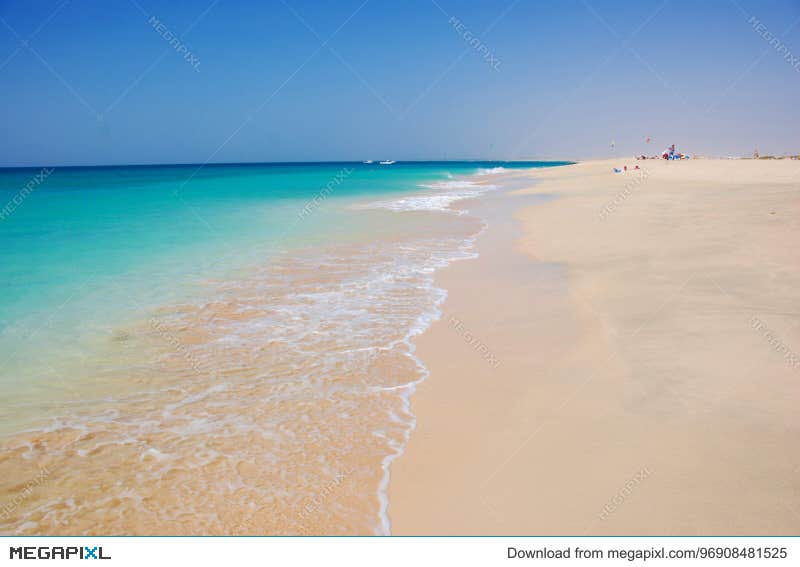
Sal is the easiest introduction to Cape Verde for travellers looking for beaches, reliable sunshine and a straightforward island break. Most visitors base themselves in Santa Maria, a lively town on the south coast with a long white-sand beach, restaurants, bars and most of the island’s tourist infrastructure.
But Sal is more than a resort destination. Away from Santa Maria, the island becomes noticeably barer and more volcanic: salt pans sit inside an extinct crater at Pedra de Lume, lava formations line the coast at Buracona, fishing boats come and go from Palmeira, and the dry interior stretches almost uninterrupted towards Espargos.
Sal is compact — roughly 215 km² — so it is easy to combine beach time with exploring the island without changing accommodation.
Sal at a glance
Best for: Beaches, winter sun, watersports, relaxed holidays
Main resort: Santa Maria
Island capital: Espargos
Airport: Amílcar Cabral International Airport
Ideal stay: Around 4–7 days for most first-time visitors
Currency: Cape Verdean escudo (CVE)
Getting around: Taxi, aluguer/shared van, hire car or organised tour
Don't miss: Santa Maria, Pedra de Lume, Buracona, Shark Bay and Ponta Preta
Good to know: Sal is one of Cape Verde's driest, flattest and most tourism-developed islands.
Is Sal worth visiting?
Yes — particularly if you want an easy beach holiday with enough activities to stop it feeling like a resort-only trip.
Sal's biggest strength is convenience. The international airport is on the island, Santa Maria has plenty of accommodation and restaurants, and most of the major sights can be reached without spending hours travelling.
It is also one of Cape Verde's strongest islands for kitesurfing, windsurfing, diving and other watersports. The official tourism board highlights Santa Maria, Ponta Preta and Kite Beach alongside protected landscapes such as Serra Negra, Murdeira Bay and the Pedra de Lume salt flats.
The trade-off is that Sal is not the island to choose if your priority is lush scenery, mountain hiking or seeing the most traditional side of Cape Verde. For that, islands such as Santo Antão, Santiago or São Vicente add a very different dimension to a longer trip.
Meskel view: Sal works particularly well for a first visit to Cape Verde, a short winter-sun break, or as the easy beach component of a wider island-hopping trip.
Where should you stay in Sal?
For most visitors, the answer is Santa Maria.
It has Sal's greatest concentration of hotels, apartments, restaurants, bars, tour companies and watersports operators, as well as direct access to the island's best-known beach. The town sits beside an approximately 8 km stretch of sandy coastline and functions as Sal's main tourism centre.
Santa Maria
Choose Santa Maria if you want to be able to walk to restaurants, cafés, nightlife and the beach.
Different parts of the town suit different trips: some accommodation sits directly around the centre and pier, while larger resorts spread west along the coastline towards Ponta Preta.
Best for: First visits, eating out, nightlife, beach access and travellers without a car.
Murdeira
Murdeira is quieter, with a protected bay roughly between Santa Maria and Espargos. The waters are generally calmer than some of Sal's more exposed beaches, and the area suits travellers who prioritise peace over being able to walk into a busy town. The bay also forms part of an important habitat for birds and marine life.
Best for: Quiet stays, couples and relaxed swimming.
Espargos
Espargos is Sal's administrative capital and sits close to the airport. It is much less tourism-focused than Santa Maria and gives a better sense of everyday life on the island.
Most leisure visitors will still find Santa Maria considerably more convenient, but Espargos is worth visiting even if you do not stay there.
Read next: [Where to Stay in Sal] and [Best Hotels in Sal]
The best things to do in Sal
Sal isn't packed with conventional sightseeing. Its appeal comes from combining a handful of distinctive landscapes with beaches and the Atlantic.
Walk Santa Maria Beach
For most visitors, this is the centre of the trip.
Santa Maria's long beach runs alongside the town before continuing west towards Ponta do Sinó and Ponta Preta. Restaurants, bars, watersports and tour operators make the central section the easiest part of Sal for spending an entire day without planning much at all.
The pier is particularly worth seeing when fishing boats return and the day's catch is unloaded.
Read next: [Best Beaches in Sal]
Float in the Pedra de Lume salt pans
Pedra de Lume is one of Sal's most distinctive places.
Salt pans occupy the crater of an extinct volcano, reflecting the industry that gave the island its name and played an important role in Sal's development. Visitors can enter the saline water and float because of its high salt concentration. The landscape has been protected nationally and recognised for its natural, historical and cultural significance.
It's worth understanding the history rather than treating it purely as a photo stop.
See Buracona and the Blue Eye
Buracona is a volcanic coastal formation on Sal's west coast. Its best-known feature is the Olho Azul, or Blue Eye, where direct sunlight can illuminate an underwater cavern and create an intense blue reflection.
The effect depends on sunlight and conditions; the tourism board notes that around midday is generally the best time to see it.
There is also a natural pool here, although swimming conditions depend on the sea and should not be assumed to be safe every day.
See lemon sharks at Shark Bay
Baía da Parda, generally marketed as Shark Bay, is a shallow coastal area near Pedra de Lume known for sightings of lemon sharks.
You'll commonly see excursions combining Shark Bay with Pedra de Lume and other island sights.
Treat it as wildlife observation rather than an attraction that guarantees a particular encounter: these are wild animals and conditions vary.
Visit Palmeira
Palmeira is Sal's main fishing port and feels markedly different from Santa Maria.
It is a small working settlement where fishing remains central to everyday life, making it an interesting stop on an island tour and a useful counterpoint to Sal's resort areas.
Try kitesurfing or windsurfing
Sal's trade winds make watersports one of the strongest reasons to visit.
Kite Beach is the obvious centre for kitesurfing, while Ponta Preta is well known among experienced surfers and windsurfers. Cape Verde's official tourism information places the main windsurfing and kitesurfing season roughly between November and May, with particularly strong winds from January to April.
Beginners can book lessons from schools around Santa Maria and Kite Beach.
Read next: [Best Things to Do in Sal]
The best beaches in Sal
The obvious starting point is Santa Maria Beach, especially if you want easy access to restaurants and facilities.
But it is not the only beach worth knowing.
Ponta Preta has a much wilder feel and stronger conditions, particularly when wind and swell pick up.
Kite Beach is geared towards watersports.
Murdeira is calmer and more sheltered.
Serra Negra feels considerably more isolated.
Sal's west and south coasts can behave very differently depending on wind and sea conditions, so the "best" beach depends on whether you want swimming, surfing, solitude or convenience.
Read the full guide: [Best Beaches in Sal]
How many days do you need in Sal?
For most people, 4–7 days is comfortable.
A short three- or four-night trip gives you enough time for Santa Maria, a day exploring the island and some beach time.
With five to seven days, the pace becomes much more relaxed and you can add watersports, diving, boat trips or simply leave days unplanned.
If Sal is part of a longer Cape Verde trip, you probably don't need a full week unless beach time is one of the main purposes of your holiday.
A simple first visit could look like:
Day 1: Arrive and explore Santa Maria
Day 2: Santa Maria Beach and town
Day 3: Island tour — Pedra de Lume, Shark Bay, Buracona and Palmeira
Day 4: Watersports, boat trip or diving
Day 5: Ponta Preta or relaxed beach day
Read next: [How Many Days Do You Need in Sal?] and [5 Days in Sal: An Itinerary]
When is the best time to visit Sal?
Sal can be visited year-round.
Cape Verde has an arid to semi-arid climate, with daytime averages across the archipelago generally around 24–28°C. The longer dry period typically runs from November to July, while August to October is warmer and more humid, with occasional rainfall.
For a conventional beach holiday, November through spring is particularly popular because conditions are dry and temperatures are comfortable.
If you're visiting specifically for windsurfing or kitesurfing, stronger winds generally occur during the winter and spring period.
The best month therefore depends on whether you care most about beach weather, watersports, wildlife or avoiding busier periods.
Read next: [Best Time to Visit Cape Verde]
How to get to Sal
Sal's airport is Amílcar Cabral International Airport (SID), near Espargos. It is one of Cape Verde's principal international gateways.
Direct international routes vary by season and departure market. From the UK, for example, easyJet currently operates or sells services to Sal from London Gatwick, Manchester and Bristol.
Because schedules and fares change frequently, this Sal guide should not try to maintain a full route table.
Read our current guide: [Flights to Cape Verde: A Route and Cost Guide]
Getting around Sal
Sal is relatively easy to navigate.
Taxis
Taxis are widely available at the airport and around Santa Maria and Espargos. Official guidance recommends agreeing the fare before starting a journey; authorised taxis on Sal are blue and yellow.
Aluguers
Shared vans — generally known as aluguers — provide cheaper informal public transport between settlements. They tend to be less useful for visitors following a strict timetable because services may operate according to demand rather than a fixed schedule.
Car hire
A car gives you flexibility, although most first-time visitors staying in Santa Maria do not need one for their entire trip.
Many of the island's headline sights can also be covered on a half-day or full-day organised island tour.
Scooters and quad bikes
Both are widely marketed to visitors, but check insurance carefully. UK travel advice specifically warns that quad biking may be considered an extreme sport by insurers and advises checking vehicle condition and insurance coverage.
Read next: [How to Get Around Sal]
What does Sal cost?
Sal can work for several budgets, but it is generally more tourism-oriented than many parts of Cape Verde.
Large all-inclusive resorts sit alongside locally run hotels, guesthouses, hostels and self-catering apartments.
Your biggest variables will usually be:
-
flights
-
accommodation
-
whether meals are included
-
tours and watersports
-
taxis
-
how often you eat in tourist-oriented restaurants
Rather than maintain duplicate prices here, we've put the detailed numbers in our dedicated country budget guide.
Read: [Cape Verde Travel Costs: A Budget Guide]
What to eat in Sal
Sal has a strong seafood culture, and fresh fish is an obvious place to start.
Across Cape Verde, typical foods include cachupa — a slow-cooked maize and bean dish with numerous variations — grilled or stewed fish, lobster, moray eel, xerém and fish pastries. Grogue, distilled from sugar cane, and ponche are among the traditional alcoholic drinks.
Santa Maria has the island's broadest restaurant choice, ranging from local Cape Verdean cooking and seafood to Italian and international restaurants aimed at the resort market.
I'd make a point of leaving the hotel for at least a few meals even if you're staying all-inclusive.
Read next: [Cape Verde Food & Drink Guide] and, later, [Best Restaurants in Santa Maria]
Is Sal safe?
Sal is generally considered a relatively straightforward destination, but normal precautions still matter.
Current UK travel advice says Cape Verde's overall crime rate is generally low, while noting pickpocketing, bag theft, burglary and occasional muggings, including on Sal. It recommends avoiding isolated or poorly lit areas after dark and keeping valuables secure.
Take beach safety seriously as well. Currents and waves around Cape Verde can be powerful; use lifeguarded beaches where possible and follow warning flags.
As of September 2026, UK health authorities have also reported recent clusters of gastrointestinal infections associated with travel to Cape Verde, including travellers who stayed in Santa Maria. Basic food and water hygiene is therefore worth taking seriously, and current health guidance should be checked before departure.
Entry requirements
Entry requirements depend on your nationality.
For British citizens travelling on a full British passport, current UK guidance says Cape Verde permits visits of up to 30 days without a visa. Travellers must complete the country's traveller pre-registration and airport security fee process before arrival; since 1 July 2026, failure to complete the required pre-registration can result in a higher fee at the border.
Do not rely on this section for another nationality or a future trip without checking current requirements.
Read next: [Cape Verde Visa & Entry Requirements]
Sal or Boa Vista?
The two islands are often compared because both offer beach-focused holidays and direct international tourism.
At a very broad level, Sal is the easier choice if you value restaurants, activity options, watersports and the convenience of Santa Maria.
Boa Vista generally appeals more to travellers seeking long beaches, dunes and a quieter resort experience.
There is enough difference between the two that they deserve a dedicated comparison rather than reducing the choice to which island has the better beach.
Read next: [Sal vs Boa Vista]
Who is Sal best for?
Sal is particularly well suited to:
-
first-time visitors to Cape Verde
-
couples looking for winter sun
-
families wanting a straightforward beach destination
-
solo travellers who prefer having restaurants and activities close by
-
kitesurfers and windsurfers
-
people combining a few relaxing days with another Cape Verde island
It is less compelling if your priority is serious hiking, dramatic mountains or an itinerary dominated by historic towns and cultural sights.
For those experiences, consider combining Sal with another island rather than asking Sal to provide everything Cape Verde has to offer.
The Meskel take
Choose Sal for ease.
It isn't Cape Verde's most dramatic island, and Santa Maria can feel significantly more tourism-oriented than destinations elsewhere in the archipelago. But Sal makes travelling uncomplicated: you can land on the island, base yourself by an excellent beach, eat out without much planning and still spend a day exploring volcanic landscapes, salt pans and fishing settlements.
For a first Cape Verde trip — particularly one centred on sun, swimming and watersports — that's a strong combination.
The mistake would be thinking Sal is Cape Verde.
If you have more time, use it as an introduction and then add another island that shows you a different side of the country.
Continue planning your Cape Verde trip
Cape Verde Travel Costs: A Budget Guide
Work out what flights, accommodation, food and activities are likely to cost.
Flights to Cape Verde: A Route and Cost Guide
Compare the main ways of reaching Sal and the other islands.
Best Beaches in Sal
Find the right beach for swimming, watersports, sunsets or quieter days.
Best Things to Do in Sal
A deeper guide to the island's experiences and attractions.
Where to Stay in Sal
Choose between Santa Maria, resort areas, Murdeira and elsewhere.
Best Time to Visit Cape Verde
Understand weather, wind and seasonality across the islands.
Sal vs Boa Vista
Compare Cape Verde's two best-known beach islands before choosing.